THE WALEZI WA MSITU
Guerrilla Agroforesters of the Mombasa Climate Resilience Zone (2064CE)
Note: This project was developed over 2019-2021 for my Research through/by Design PhD in Industrial Design and is still being developed.
The following is a limited preview of the concept description from a larger design fiction.
Climate Resilence Zones
Climate Resilience Zones (CRZs) originating in Mombasa in the mid-21st century, are a revolutionary land reclamation of formerly designated industrial lands of the Special Economic Zones (SEZs) by guerrilla agroforesters of the region, called the Walezi Wa Msitu ('guardians of the forest' in Swahili). These guerrilla groups would use forest seeding instruments to assess terrestrial ecosystems and craft ‘seed balls’ using carbonised biochar, enriched with nitrogen and phosphorous, and infused with native mycelium spores. These devices enable random forest seeding practices, fostering the creation of resilient old-growth forests for accelerated biodiversity recovery. The practice plays a crucial role in revitalising root-soil microbial relationships, enhancing nutrient availability, and rejuvenating soil microbial health, enabling these old-growth forests to thrive.
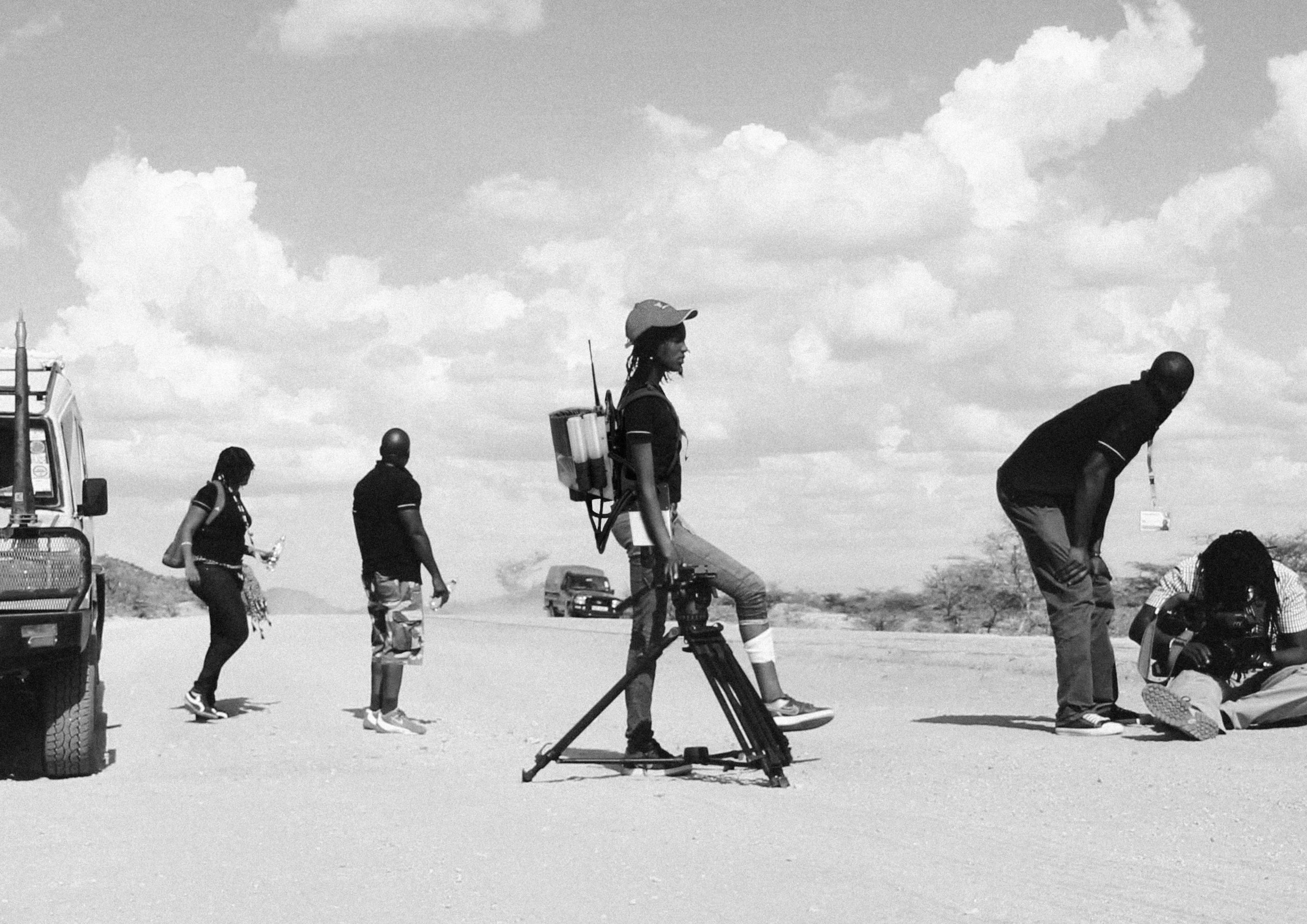
Figure: Concept iender showing Guerilla agroforesters gathering to embark on establishing the Mombasa Climate Resili-ence Zone (2064).
Climate Resilience Zones (CRZs) first emerged in Mombasa as practiced by he Walezi Wa Msitu guerrilla agroforesters. They use forest seeding devices that make ‘seed balls’ that use a carbonized biochar medium ‘supercharged’ with biologically sourced nitrogen and phosphorous and inoculated with selective mycelium spores native to old-growth forests. The mycelium aids in re-establishing healthy root-soil microbial relations, enhancing the availability of nutrition, and rejuvenating the soil microbial health for these old growths to flourish. These seeding operations are spread in randomized patterns using ‘creative’ and resilient forms of seeding old-growth forests for faster biodiversity recovery with the forest seeders. Over time, these CRZs regenerate the terrestrial ecosystems, complementing conservation efforts, including biomass production from agriculture and forestry, storage, filtration, and transformation of nutrients and water, biodiversity habitats, ecologically sourced material resources, and carbon sinks for a long carbon drawdown. On a long enough timeline and with its global reach, the development of CRZs starts to blend into each other, eventually transforming into Pan-Indigenous Autonomous Zones.
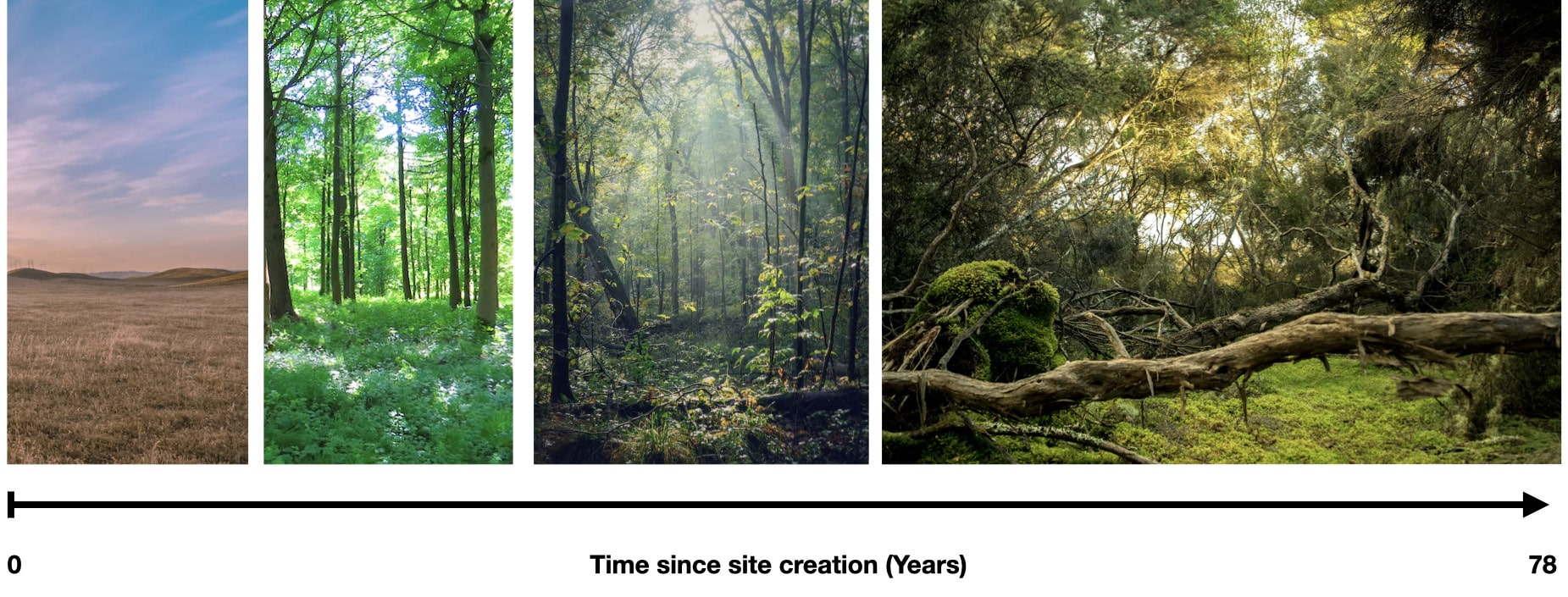
Figure: Over time, CRZs regenerate terrestrial ecosystems, serving as both biodiversity habitats and carbon sinks for the long-term process of carbon drawdown and gradually coalesce into the Pan-Indigenous Autonomous Zones of the 22nd century.
The Forest Seeders
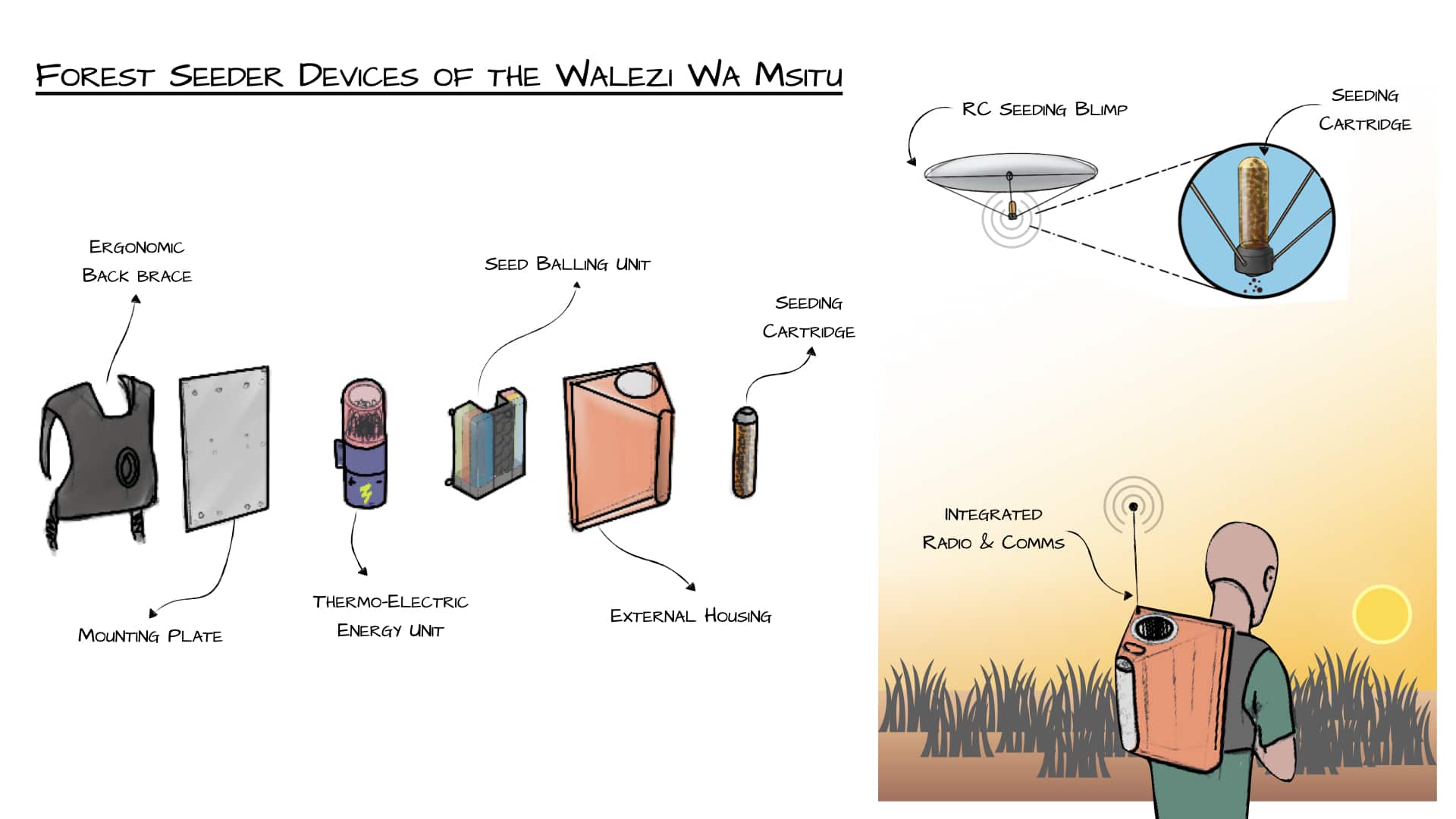
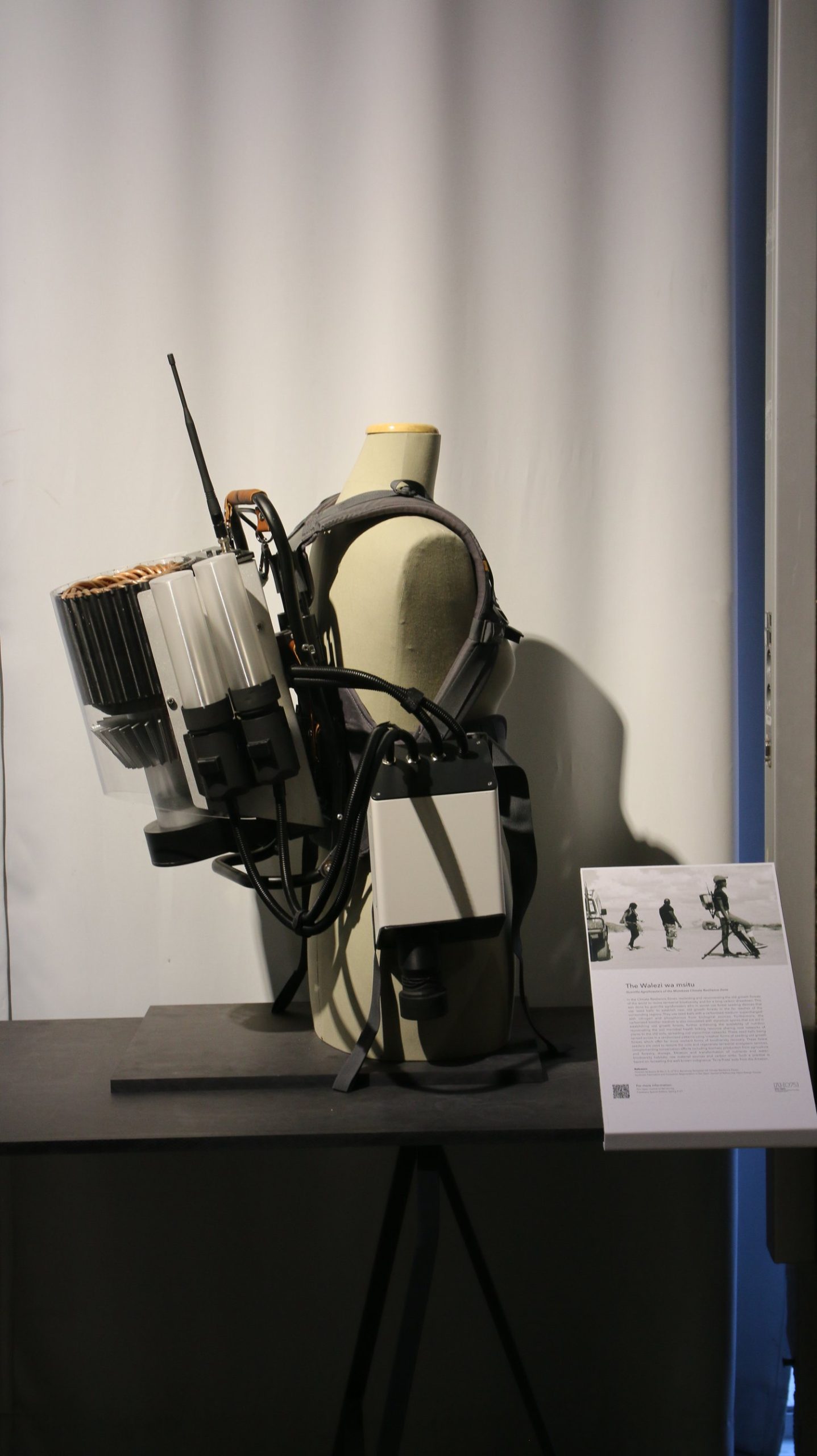
The Walezi Wa Msitu team uses custom designed forest seeding backpacks to survey and plant old growth forests seedlings and species to regenerate old growths using the Miyawaki method. The concept relies on human agents moving about, like nomadic pastorialists would and taking along these devices to reliably rewild the ecosystems in the CRZs. This is at first rudimentary practise but these objects are used to set the foundations of rewilding tools that will become influential in the future.
The unit includes 'seed ball' making systems, a biomass power micro-thermal stirling engine for energy production and RF radio meshnetworks and GPS for tracking and surveying the land for conducting field surveys and rewilding.
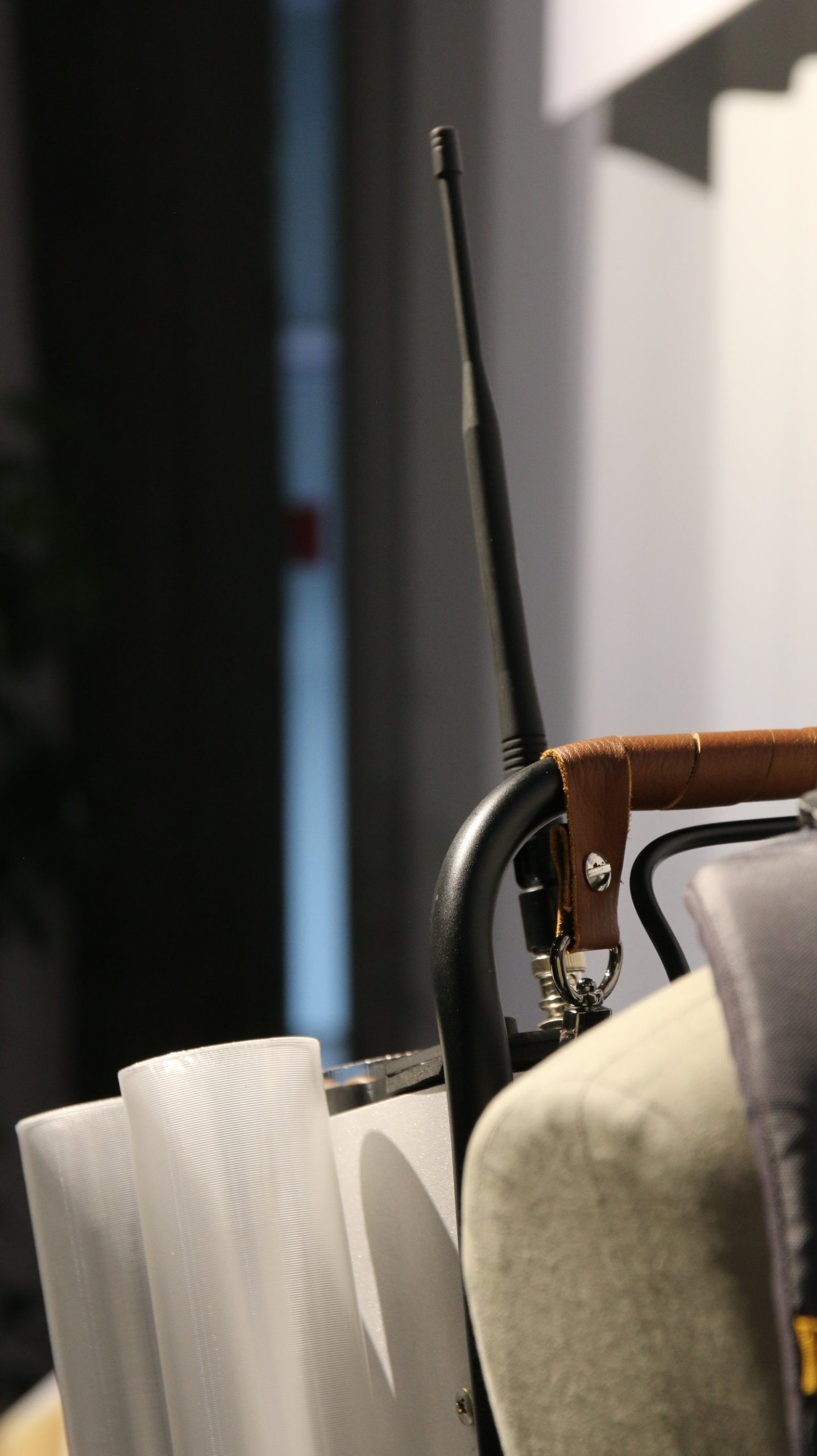
I made physical mockups of the forest seeding backpacks to test out how the system might work to regenerate old growths.
Images Left: The old growth forest seeding backpack at an exhibition with close up shots of the forest seeder.
Images Right: The old growth forest seeding backpack mockup I made for the ReFuturing Studies Exhibition series with a mix of sheet metal, 3d printing and kitbashing.
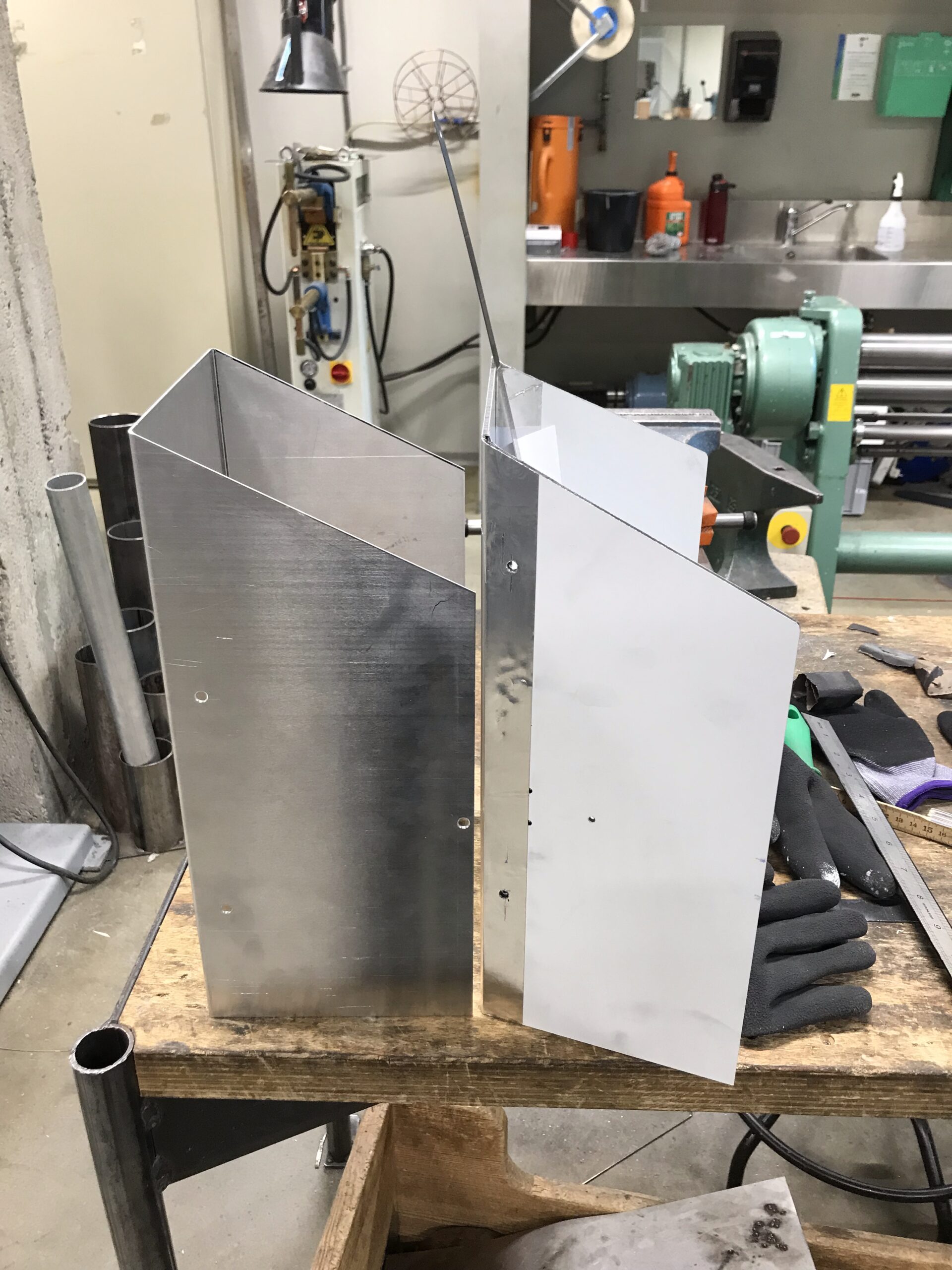
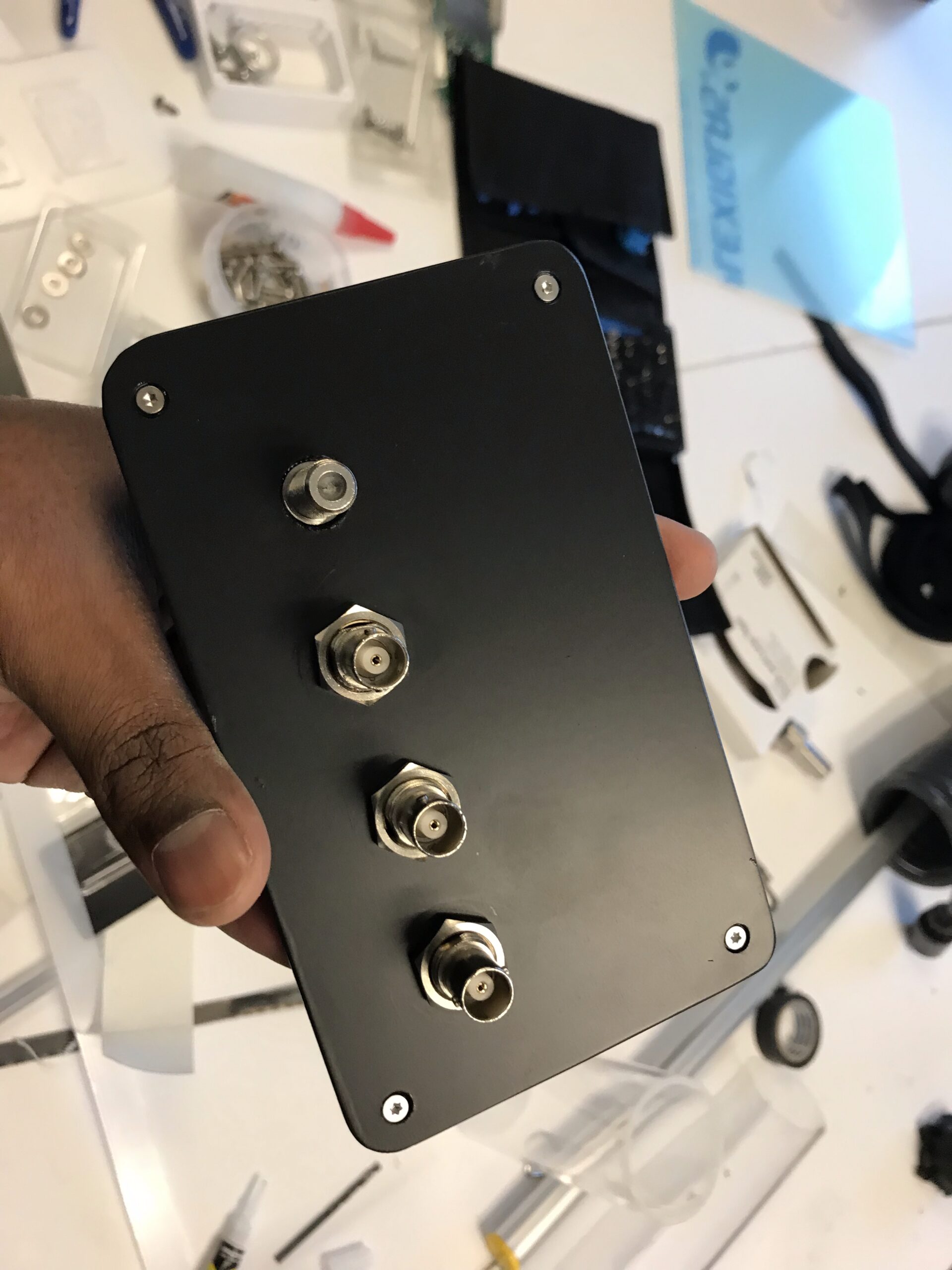
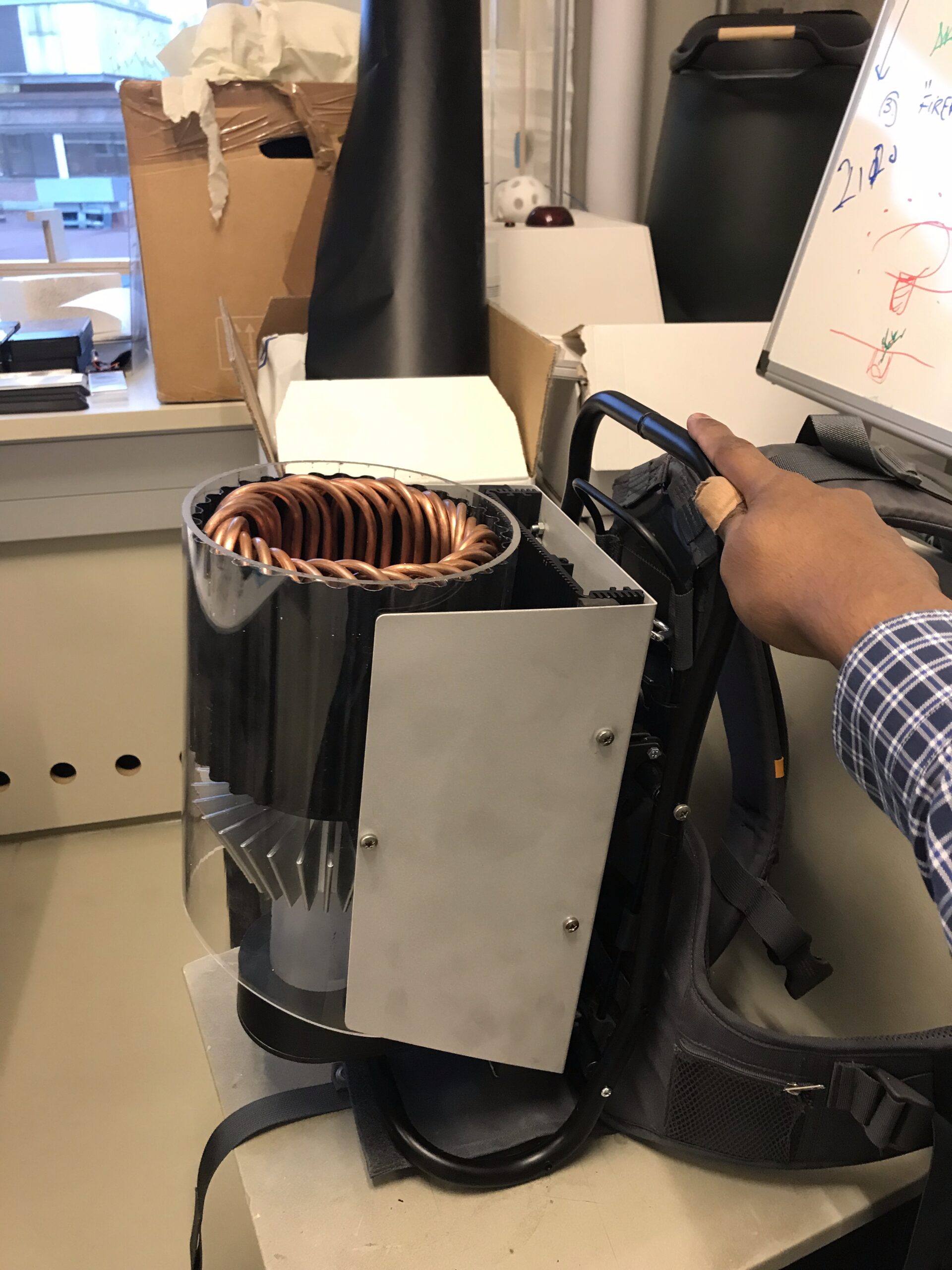
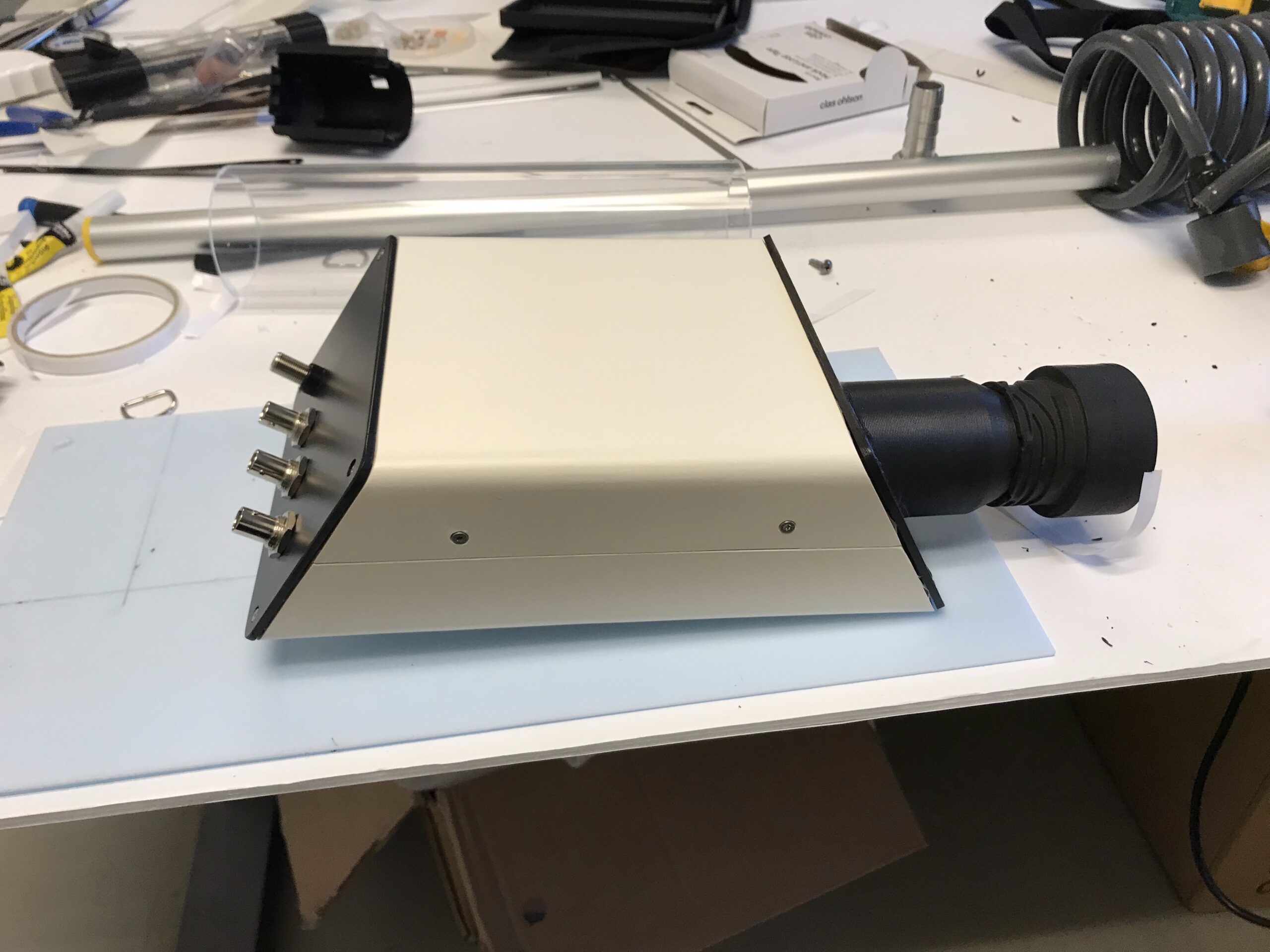
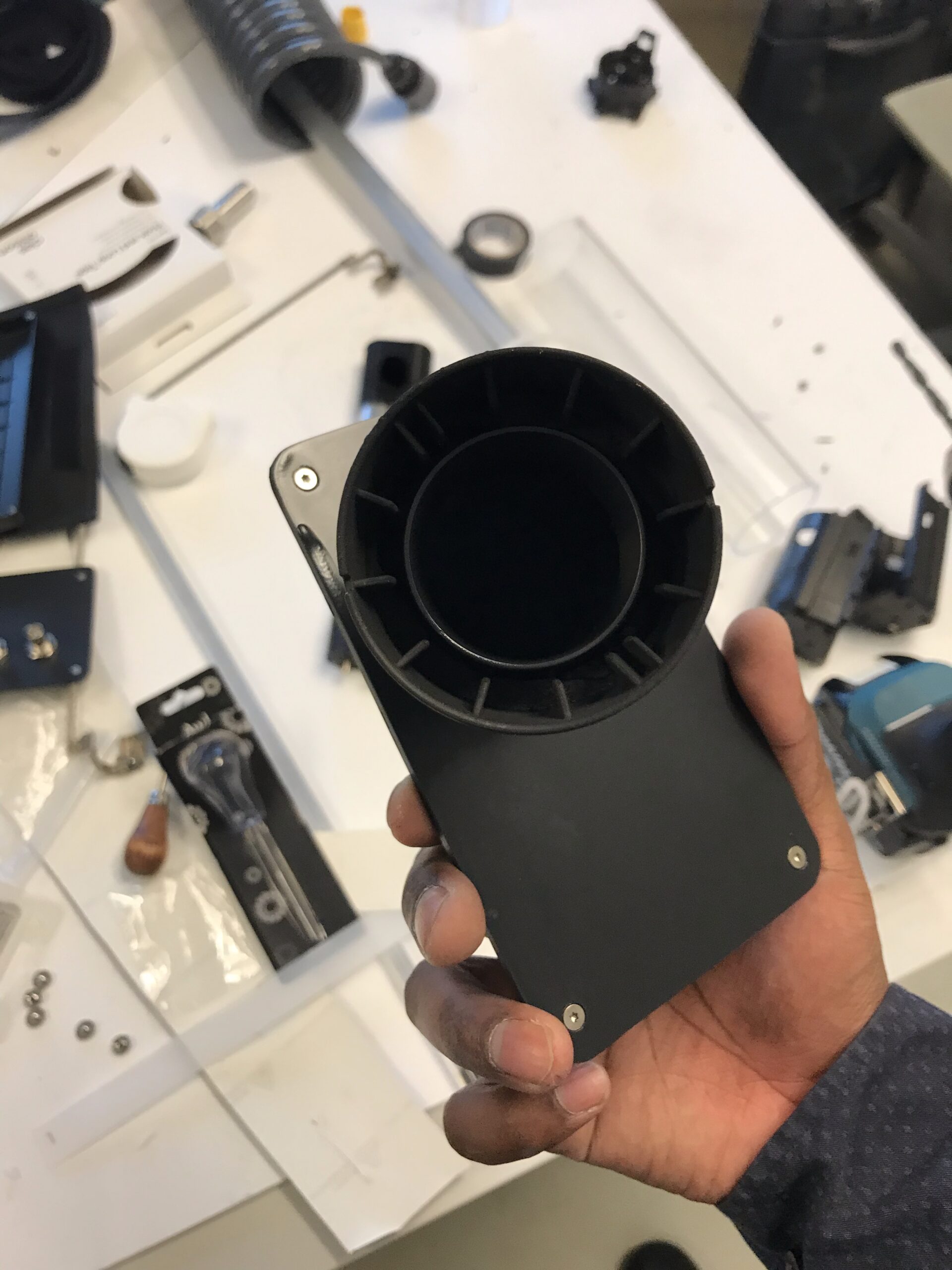

Even though this concept is interpreting of a lot of existing scientific research on soil and biodiversity management at the small scale, it is very much a feasibility metaphor for how we could integrate design solutions to make alternative tactics for rewilding with technology beyond extractionism as an augmentation of creative labour rather than overpowering labor relations with land management practises.
Read More: Joseph, J. (2025). A caring civilisation worthy of the name: On refuturing the everyday through/by design. The Journal of Architecture, 30(3), 496–522. https://doi.org/10.1080/13602365.2025.2515835
Other Projects

biomAresearch product

S-NodesSpeculative Industrial Design

Kalo Probalresearch product
Biomineralzerresearch product

iPod ProSpeculative Industrial Design

E-scooter DashboardProject type

Fluxfurniture design

nuoMobility

ketoIndustrial Design

Firefly Seeders (螢火蟲)research product
SymFabsresearch product
OrjaSpeculative Industrial Design
SynesthesiaAdditive Manufacturing