KALO PROBAL
Carbon-Negative Coral Reefs of the Sundarbans (2124CE)
Note: This project was developed over 2019-2021 for my Research through/by Design PhD in Industrial Design and is still being developed.
The following is a limited preview of the concept from a larger design fiction.
This project was an exploration into the crisis of the ocean acidification and habitat loss. In a climate resilient future Sundarbans, communities in the region practise marine regeneration festivals. They employ traditional mangrove seeding and combine it with coral nurseries management to "grow" their sea walls. They cultivate Kalo Probal, or black coral reefs, a man-made mangrove-coral sea structures and reef ecosystems that have calmed the seas in the Bay and brought back marine biodiversity in the region. In addition to safeguarding coastal communities in regions susceptible to extreme climate events, their structures effectively absorb the energy from hurricane seasons and associated storm surges. These reclaimed marine Climate Resilient Zones (CRZs) are designed to provide sanctuary, rejuvenate marine biodiversity, support coral survival during bleaching events, and enhance fisheries to sustain coastal communities.
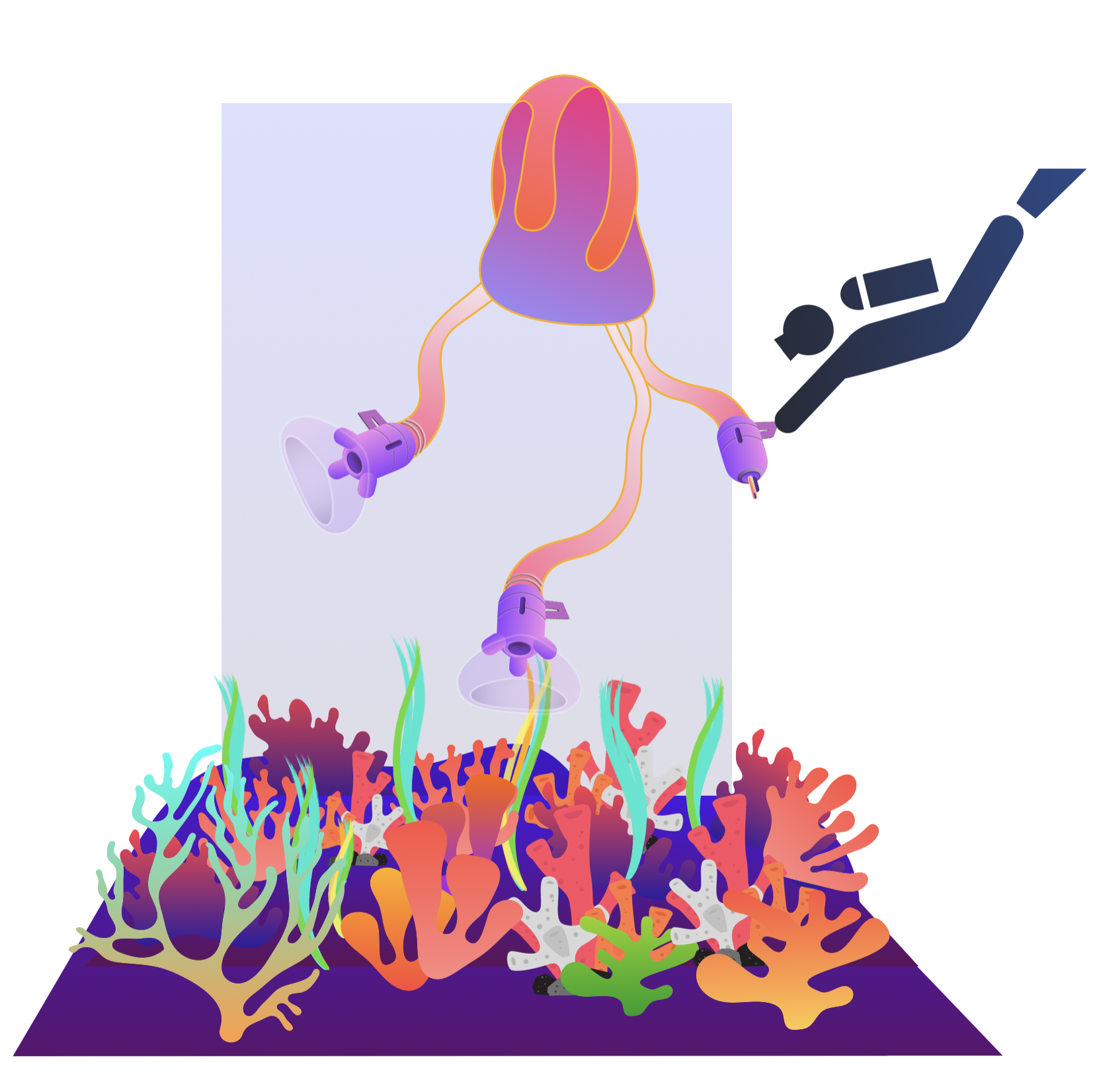
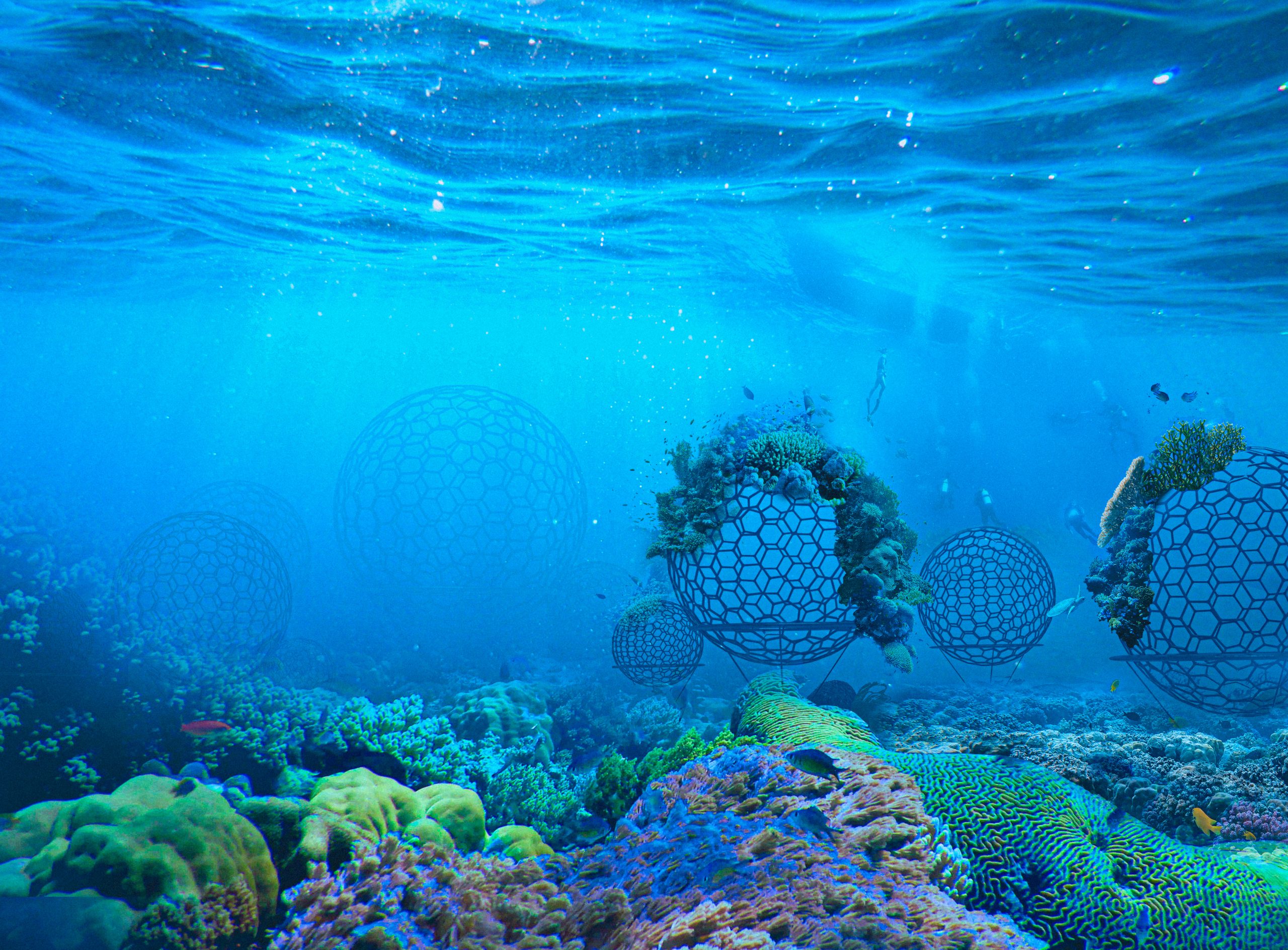
Figure: Concept Render showing Coral seeding festivals popular with coastal communities apply a mix of mangrove and coral seeding techniques for ecosystem regeneration.
Carbon-negative Coral Reefs
These reefs named after their distinct carbon-black hues of their carbonised base structure have exceptional rates of coral reef rehabilitation and recovery, even for those severely bleached coral species. These carbon-negative composites are fabricated using carbonised organic fibre precursors which serve as electrode substrates for the cathodic deposition of the sea mineral aragonite. These electrified carbon-negative composite coral reefs get their name from their distinctive carbon-black structures made from the carbonization of organic fibers that behave as electrodes for the cathodic aragonite deposition of seawater. Known as the “biorock” method, developed by Wolf Hilbertz in the 1970s, the process in the 22nd century is also used for making carbon-negative structural composites for socially useful production of high strength heavily tunable materials required for the fabrication of everyday objects.
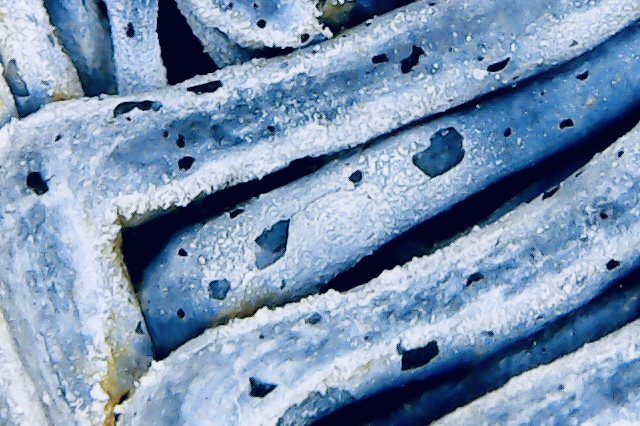
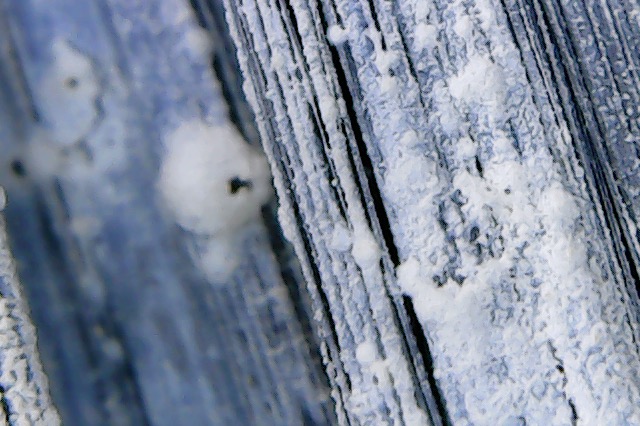
I conducted seawater electrolysis experiments based on Wolf Hilbertz' work on Cybertecture but this time with a carbon substrate. I 3D printed a conductive graphite PLA filament and electroplated it with seawater to illustrate a carbon-negative coral sample. This is as far I know the first of its kind carbon-negative artificial coral reef substrate.
Images: Microscopic deposition of Amorphous Aragonite on conductive pyrolyised carbon structures.
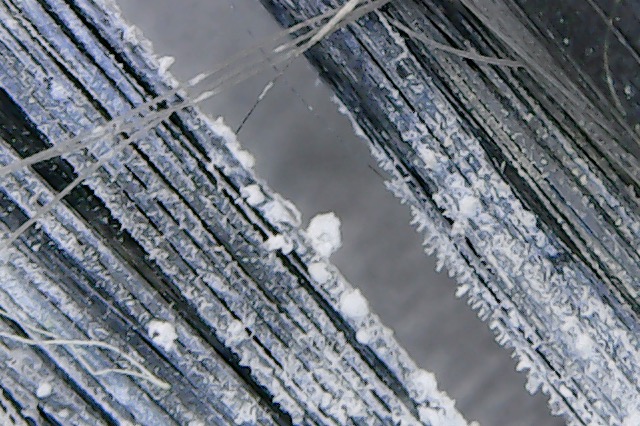
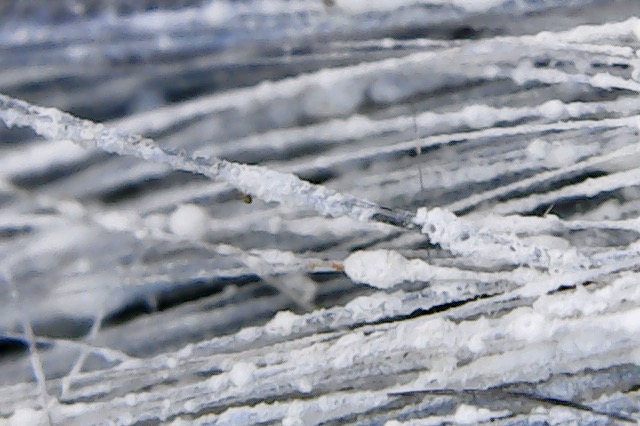
As a rewilding and regeneration strategy, it shows possibilities for recovery of coral reefs at incredible rates, even if damaged beyond repair, by combining with traditional ‘seeding’ and coral nurseries and aiding in their rapid recovery, making possible highly resilient and accelerated artificial reefs to also be scalable. These mangrove-coral sea walls are designed to protect from intense hurricanes and more energetic storm seasons in regions most vulnerable to climate extremes by absorbing the energy and the subsequent storm surges and sea level rise. These reclaimed ecosystems, like the climate resilience zones (CRZs) on land, are meant to rehabilitate coastal communities by stemming storm energy but also provide sanctuary for corals to survive bleaching events, revive fisheries and sustenance to coastal communities while also reviving marine biodiversity.
Read More: Joseph, J. (2025). A caring civilisation worthy of the name: On refuturing the everyday through/by design. The Journal of Architecture, 30(3), 496–522. https://doi.org/10.1080/13602365.2025.2515835
Other Projects
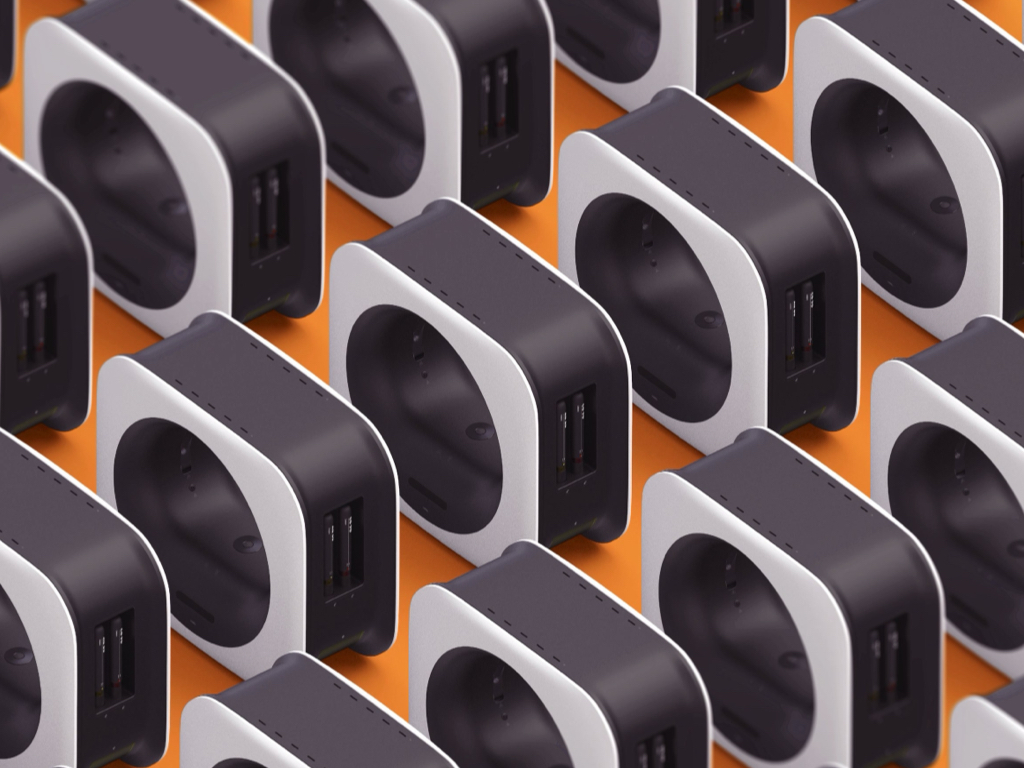
biomAresearch product
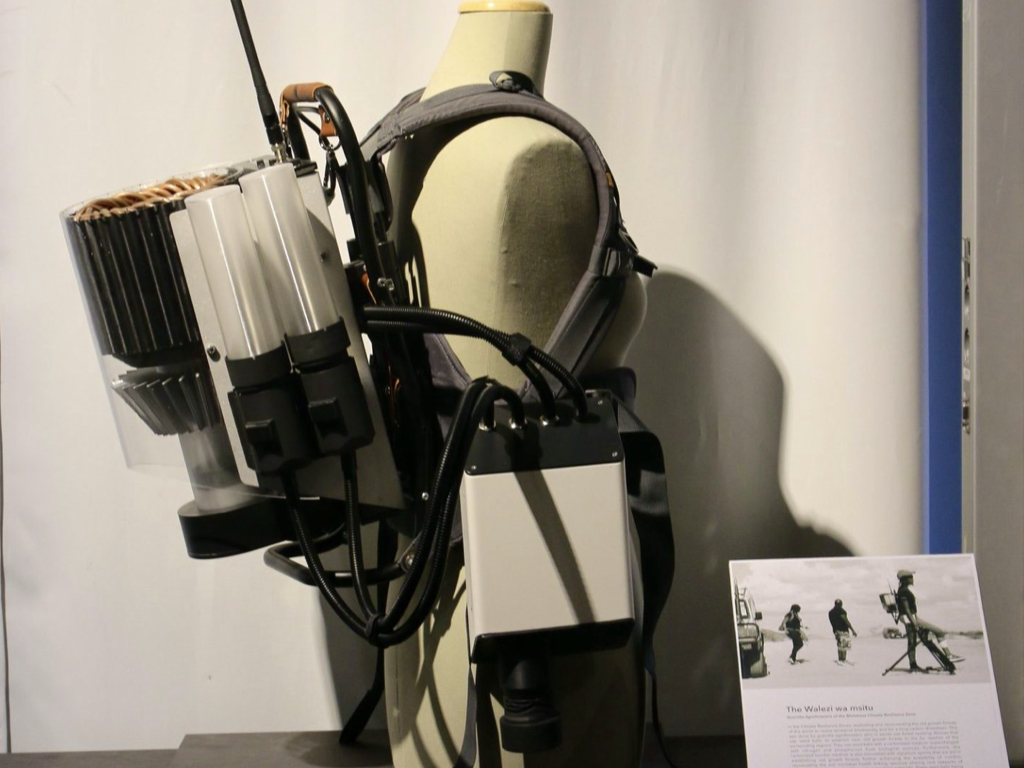
Walezi Wa Msitudesign research
S-NodesSpeculative Industrial Design
Biomineralzerresearch product
iPod ProSpeculative Industrial Design
E-scooter DashboardProject type
Fluxfurniture design
nuoMobility
ketoIndustrial Design
Firefly Seeders (螢火蟲)research product
SymFabsresearch product
OrjaSpeculative Industrial Design
SynesthesiaAdditive Manufacturing